

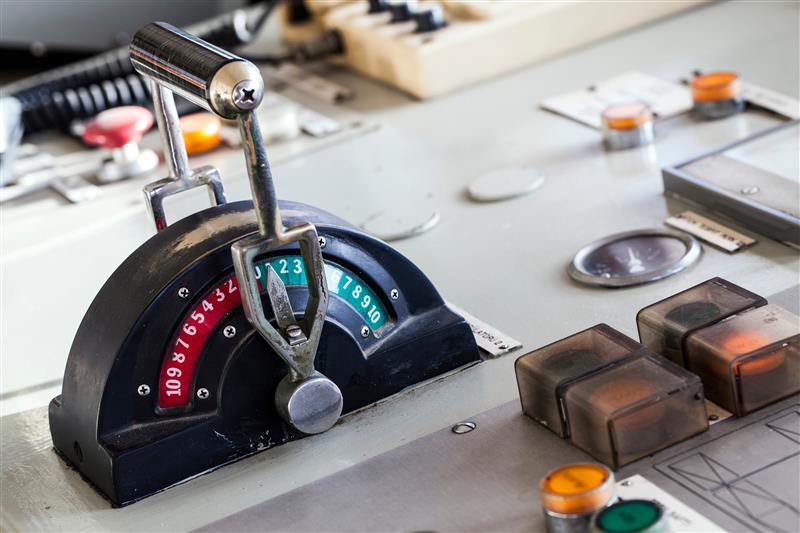
MTPA and Manual Phase Angle Sweeping
Achieving maximum efficiency in Permanent Magnet Synchronous Motors (PMSMs) requires precise control of current distribution between the d-axis and q-axis. Maximum Torque Per Ampere (MTPA) ensures the highest torque output for a given current, reducing losses and improving electric vehicle range. While simulation tools provide initial estimates, Manual Phase Angle Sweeping remains essential for accurate real-world calibration—capturing temperature effects, magnetic saturation, and field weakening behavior. This process forms the backbone of reliable inverter tuning and optimal traction motor performance.
Why Marine Electrification Starts with Compliance
Marine electrification promises cleaner, quieter vessels – but bringing electric propulsion to the seas isn’t as simple as dropping a Tesla drivetrain into a ship. The maritime domain is governed by strict regulations and classification society rules that make compliance a foundational design consideration, not an afterthought. In fact, ensuring regulatory compliance from day one is often the only way to turn bold electrification concepts into practical realities on the water. This article explores why compliance comes first in marine electrification, how marine rules shape technical design (from electrical safety and redundancy to EMC and fire protection), and what it means for system-level engineering. We’ll also look at real-world projects (ferries, workboats, offshore vessels) where a compliance-first approach paved the way for success, and conclude with why marine-savvy integration partners are key in this emerging field.
Emerging Battery Technologies
In the quest to surpass conventional lithium-ion batteries, several next-generation chemistries are gaining momentum — including lithium-air, sodium-ion, solid-state, and semi-solid-state batteries. Each offers distinct advantages in energy density, safety, cost, and material availability. Lithium-air promises extremely high theoretical energy density but remains in early-stage development. Sodium-ion provides a cost-effective, resource-abundant alternative suitable for grid storage and affordable EVs. Solid-state batteries aim to deliver higher energy density and enhanced safety through non-flammable solid electrolytes, with commercialization targeted for the late 2020s. Meanwhile, semi-solid-state batteries serve as a transitional solution, already entering commercial deployment by combining solid and liquid electrolyte benefits. Together, these technologies are shaping the future of energy storage across automotive, aerospace, and grid applications.
Why Marine Electrification Starts with Compliance
Marine electrification promises cleaner, quieter vessels – but bringing electric propulsion to the seas isn’t as simple as dropping a Tesla drivetrain into a ship. The maritime domain is governed by strict regulations and classification society rules that make compliance a foundational design consideration, not an afterthought. In fact, ensuring regulatory compliance from day one is often the only way to turn bold electrification concepts into practical realities on the water. This article explores why compliance comes first in marine electrification, how marine rules shape technical design (from electrical safety and redundancy to EMC and fire protection), and what it means for system-level engineering. We’ll also look at real-world projects (ferries, workboats, offshore vessels) where a compliance-first approach paved the way for success, and conclude with why marine-savvy integration partners are key in this emerging field.
Emerging Battery Technologies
In the quest to surpass conventional lithium-ion batteries, several next-generation chemistries are gaining momentum — including lithium-air, sodium-ion, solid-state, and semi-solid-state batteries. Each offers distinct advantages in energy density, safety, cost, and material availability. Lithium-air promises extremely high theoretical energy density but remains in early-stage development. Sodium-ion provides a cost-effective, resource-abundant alternative suitable for grid storage and affordable EVs. Solid-state batteries aim to deliver higher energy density and enhanced safety through non-flammable solid electrolytes, with commercialization targeted for the late 2020s. Meanwhile, semi-solid-state batteries serve as a transitional solution, already entering commercial deployment by combining solid and liquid electrolyte benefits. Together, these technologies are shaping the future of energy storage across automotive, aerospace, and grid applications.
Follow us on facebook

INetic
Behind every innovation at iNetic is a team dedicated to pushing the boundaries of what's possible. In our latest Capabilities video, we showcase the precision and expertise that goes into every project—from design to execution. Watch as we bring cutting-edge technology to life, shaping the future of engineering and motion solutions. www.inetic.co.uk #iNetic #EngineeringExcellence #InnovativeDesign #MotorCAD #AdvancedEngineering #PrecisionEngineering #Capabilities #FutureOfTech
INetic
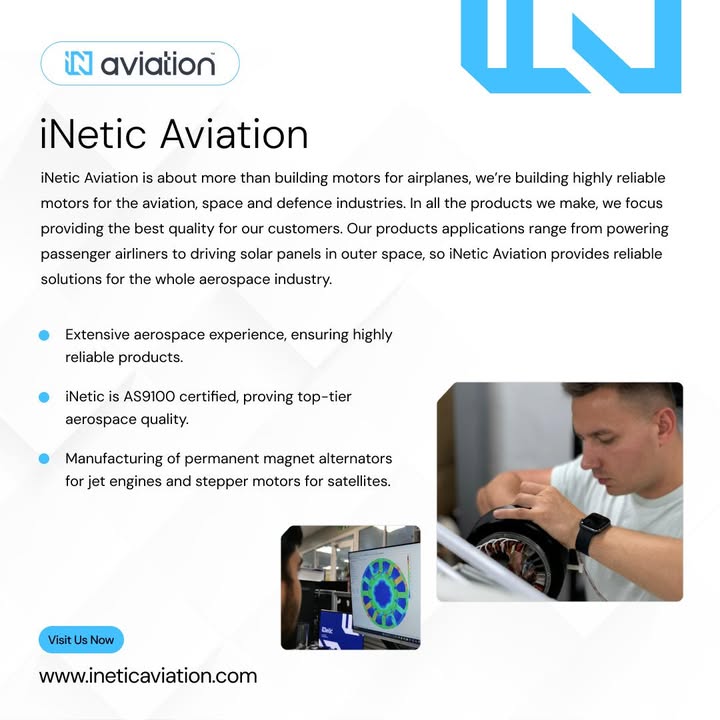
Innovating for the future of aerospace. iNetic Aviation delivers high-quality, reliable motors for aviation, space, and defence applications. From passenger airliners to satellites, our AS9100-certified solutions ensure top-tier performance. Learn more at www.ineticaviation.com #Aerospace #Aviation #DefenseTechnology #SpaceInnovation #AS9100 #Engineering #FutureOfFlight #ElectricMotors #SatelliteTech #AerospaceEngineering #JetEngines #Innovation
INetic
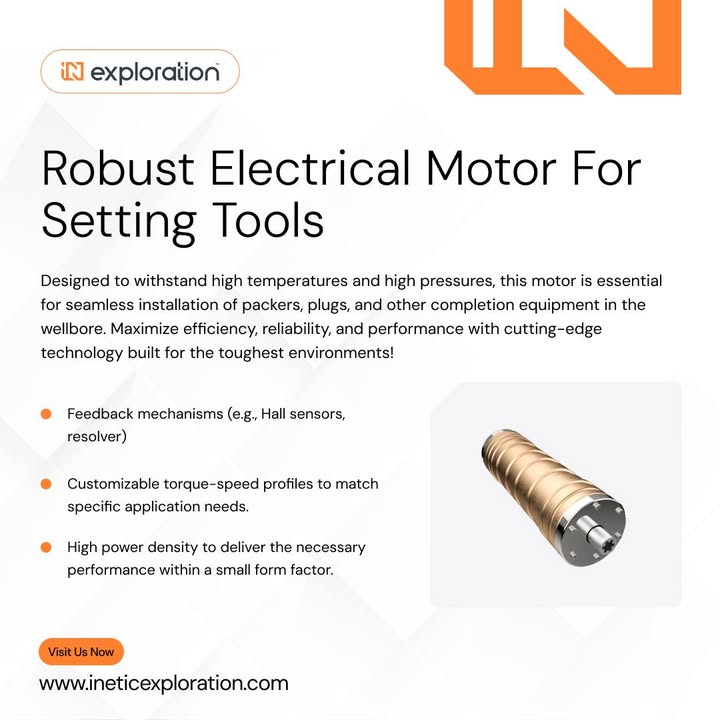
Maximize efficiency, reliability, and performance in the toughest environments. iNetic Exploration’s robust electrical motors are designed to withstand extreme temperatures and pressures, ensuring seamless operation for downhole tools. Learn more at www.ineticexploration.com #EnergyInnovation #DownholeTools #OilfieldTechnology #Engineering #HighPerformance #TorqueControl #PowerDensity #Reliability #OilAndGas
INetic
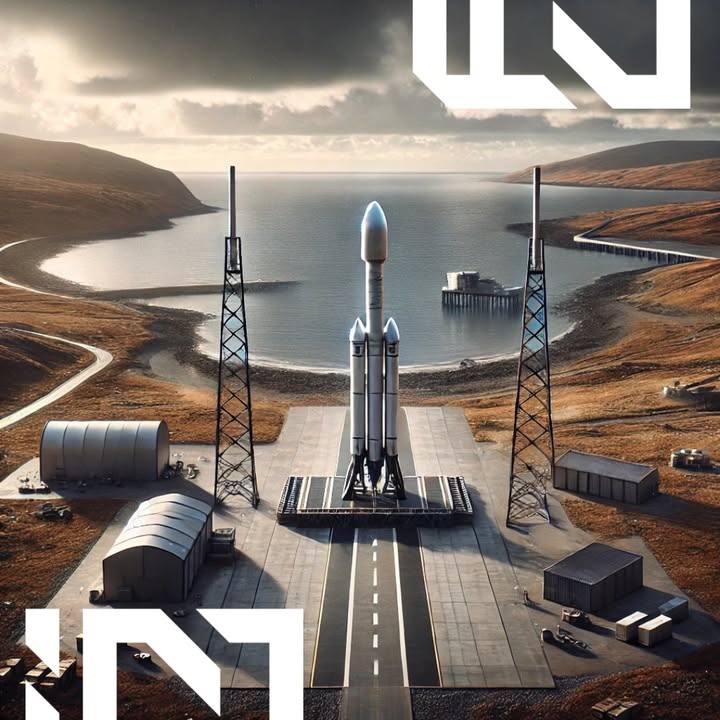
The UK government has announced a £20 million investment in Orbex to support the development of their Prime rocket, set to launch by the end of 2025 from SaxaVord Spaceport on the Shetland island of Unst. If successful, this will be the first UK-based rocket to reach orbit, marking a major milestone in British space exploration. This investment highlights the government’s commitment to expanding the satellite technology market and positioning the UK as a key player in the global space sector. At iNetic, we’re excited to see this momentum and are ready to support the next generation of space applications. Learn how we can help: lnkd.in/e3Y6DqBt Read more: lnkd.in/eNH9i9GQ #UKSpace #Orbex #SaxaVord #Unst #SpaceInnovation #SatelliteTechnology #Aerospace #Engineering #SpaceExploration #UKManufacturing #FutureTechnology

INetic
Powering the future of mobility! iNetic’s iMR range offers the ultimate traction solutions for AMRs & AGVs, designed for reliability, efficiency, and high performance. With integrated drive options, EtherCAT communication, and torque output up to 200 Nm, our solutions support payloads from 100 kg to 2000 kg. Discover more: www.ineticmotion.com #AMR #AGV #AutonomousMobility #IndustrialAutomation #RobotDrive #MotionControl #IneticMotion #AutomationTechnology #SmartManufacturing #Robotics
INetic
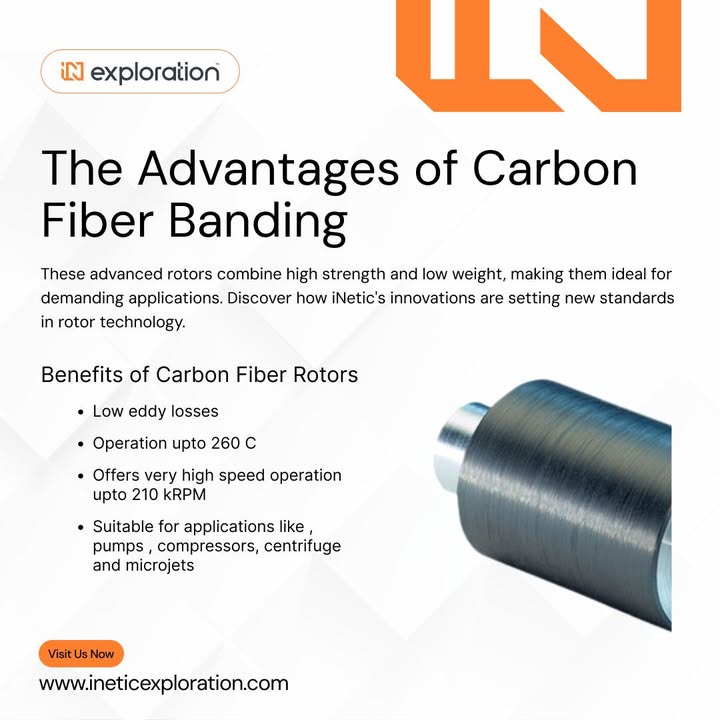
Experience the power of carbon fiber banding — high strength, low weight, and superior performance for demanding applications. iNetic's advanced rotors operate at extreme speeds and temperatures, making them ideal for pumps, compressors, centrifuges, and more. Discover how innovation is driving the future of rotor technology. Learn more: www.ineticexploration.com #CarbonFiber #EngineeringInnovation #RotorTechnology #AdvancedMaterials #HighPerformance #ManufacturingExcellence #iNeticExploration
INetic
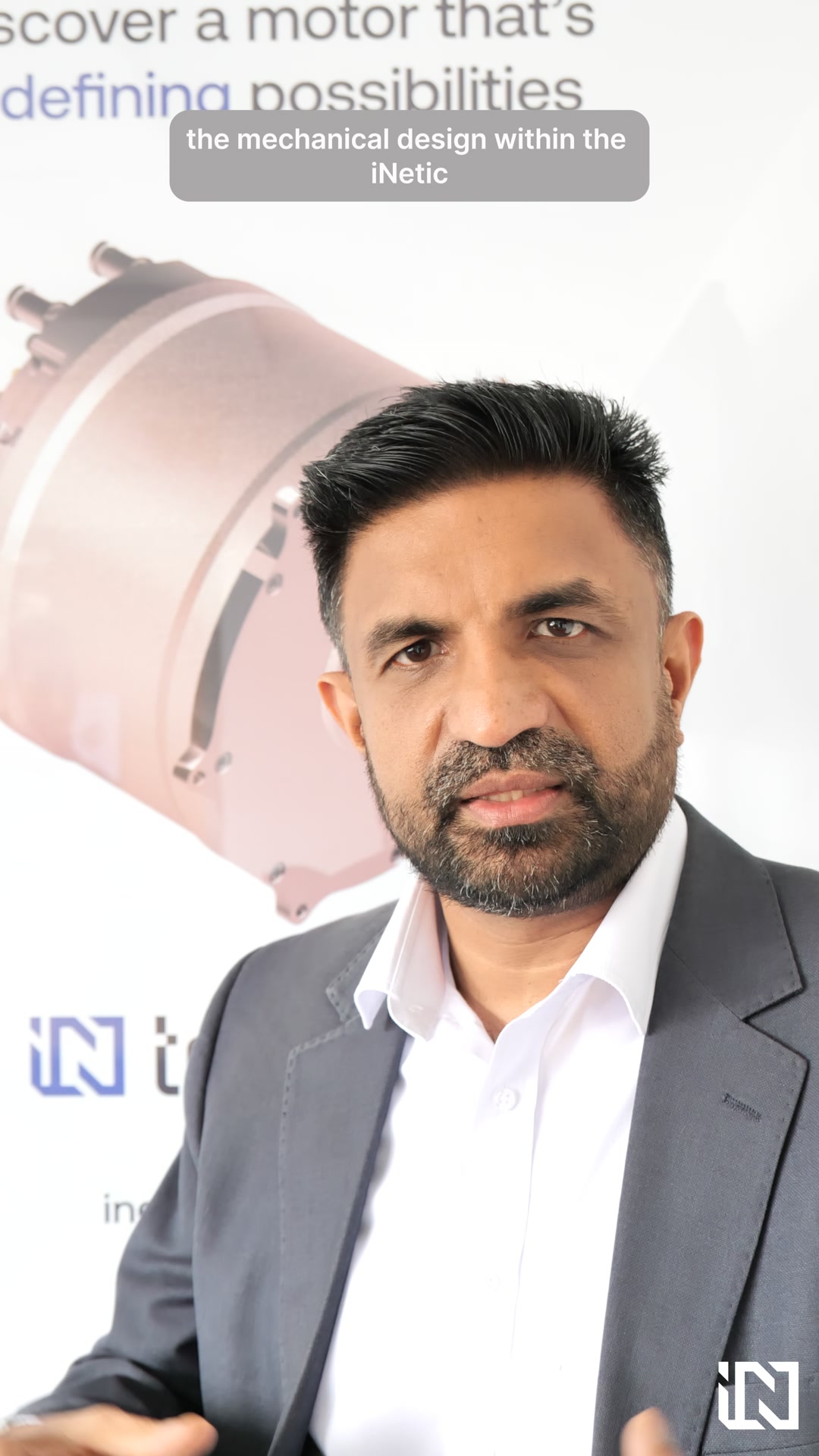
Meet our engineers. Suji introduces the team and shares the direction iNetic is heading. Stay tuned for more updates on our journey.
Learn more: inetic.co.uk/
#EngineeringExcellence #InnovationAtWork
INetic
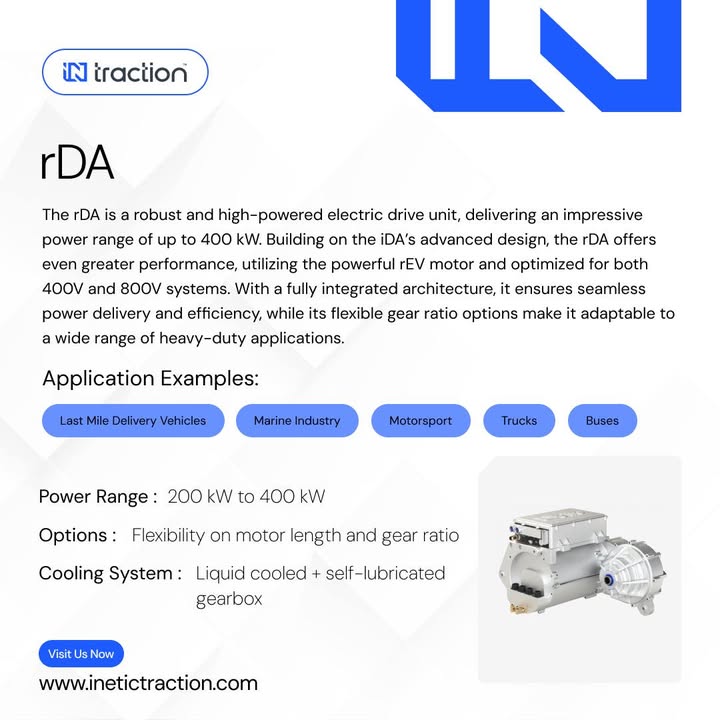
Power meets versatility with the rDA electric drive unit from iNetic Traction.
Delivering up to 400 kW, optimized for 400V and 800V systems, and built for heavy-duty applications like marine, motorsport, and trucks.
Explore innovation: www.inetictraction.com
#ElectricDrive #Innovation #HeavyDutySolutions